


A recent Suncorp article on flexi-hoses has put a spotlight on a small plumbing part many homeowners rarely think about: flexi-hoses.
Flexi-hoses are flexible braided hoses. They connect water to taps and fixtures.
They are common in bathrooms and kitchens. They are also often found in laundries.
Many flexi-hoses sit under sinks or inside cupboards. This makes them easy to miss.
The issue is not that every flexi-hose is unsafe. The issue is that many homeowners may not know how old their flexi-hoses are, whether they have been checked, or whether they are starting to wear out.

The Real Case Behind the Warning
To better understand the risk in Australian homes, Suncorp spent six months checking customers’ flexi-hoses.
The article reported that about 30 per cent of the flexi-hoses checked needed to be replaced.
It also found that burst flexi-hoses caused one in ten of Suncorp’s 2024 home water damage claims. This was based on more than 22,000 home claims involving water damage.
The article said the average cost of a burst flexi-hose insurance claim was over $27,500.
A separate Suncorp article, $20 Part, $30,000 bill: the bursting risk under the sink, reported that the average insurance claim for a burst flexi-hose reached $30,000. It also said six per cent of burst flexi-hose claims were more than $100,000.
The same article said 60 per cent of homeowners had never had their connections checked.
It also shared the case of a Queensland family who came home from an overseas holiday to find their home badly damaged after a bathroom flexi-hose burst. Suncorp said the repair bill was more than $500,000.

For homeowners, the message is clear. A flexi-hose may be small, but if it bursts, it can cause serious damage before anyone notices.
Why This Matters for Homeowners and Buyers
Flexi-hoses are easy to forget.
Most people turn the tap on, close the cupboard and move on.
For homebuyers, they can also be hard to judge. You may not know when the hoses were installed. You may not know if they have ever been checked.
They may also be missed during a quick walk-through, when most of the focus is on bigger parts of the home.
This matters because water damage can spread fast.
Suncorp said that in open-plan homes, water can easily move into different areas. This can make repairs take longer and cost more.
A burst hose is not just a plumbing problem. It can also become an insurance problem, a repair problem and a major disruption for the family.
The simple lesson is this: home maintenance is not only about fixing obvious leaks. It is also about checking the small parts that work quietly every day.

What People Often Miss
One common mistake is thinking a flexi-hose is fine because it is not leaking.
But warning signs can appear before a burst happens.
These signs can be easy to miss, especially if the hose is hidden behind cleaning products or other items under the sink.
The warning signs listed in Suncorp’s article include:
- rust and corrosion
- visible broken fibres
- green or white staining on the fitting or hose
The article also links many burst flexi-hoses to damage in the outside braiding. This can happen because of rust, corrosion, twisting, kinking or stretching.

Timing is also important.
The advice is to check under every sink at least twice a year. Homeowners should look for fraying, rust spots or kinks.
The article also recommends turning the water off at the mains if leaving the house for more than 24 hours.
What Jarod Lancaster Wants Brisbane Homeowners to Know
Jarod Lancaster, Co-Founder of L&W Plumbing, says flexi-hoses are one of those plumbing parts many people do not think about until something goes wrong.
Flexi-hoses are one of those things people walk past every day and never check. They sit under the kitchen sink, bathroom vanity or laundry tub, and most homeowners do not know they are there until one bursts. The problem is that when they fail, they can release a huge amount of water very quickly.
For Brisbane homeowners, Jarod’s advice is simple: check visible flexi-hoses every six months.
This can be as easy as opening the cupboard, moving stored items out of the way and looking closely at the hose and fittings.
If there is rust, fraying, staining, kinking or dampness, the hose should be checked by a licensed plumber.
It is the sort of small job homeowners put off because it does not feel urgent. But replacing a damaged flexi-hose is a lot cheaper than dealing with flooded cabinetry, flooring and walls.
Homeowners do not need to work out the problem themselves. But they should know when something looks worn, damaged or not quite right.
The Lesson for Everyday Home Maintenance
The Suncorp articles show how easy it is to forget about small plumbing parts until they fail.
When water keeps running and no one sees it, the damage has more time to spread.
That is why flexi-hose checks should be part of normal home maintenance.
They are not hard to check.
A quick look under the sink can help spot clear warning signs such as rust, fraying, staining, kinks or dampness.
What This Means Going Forward
The takeaway is not that every flexi-hose is about to burst.
It is that visible water connections need attention from time to time.
Flexi-hoses are connected to everyday water use. That means their age, condition and position matter.
If a hose is worn, damaged, twisted, kinked or showing signs of rust, it may be worth getting it checked before waiting for a leak.
This is especially important if you do not know when your flexi-hoses were installed, or if they have ever been checked.
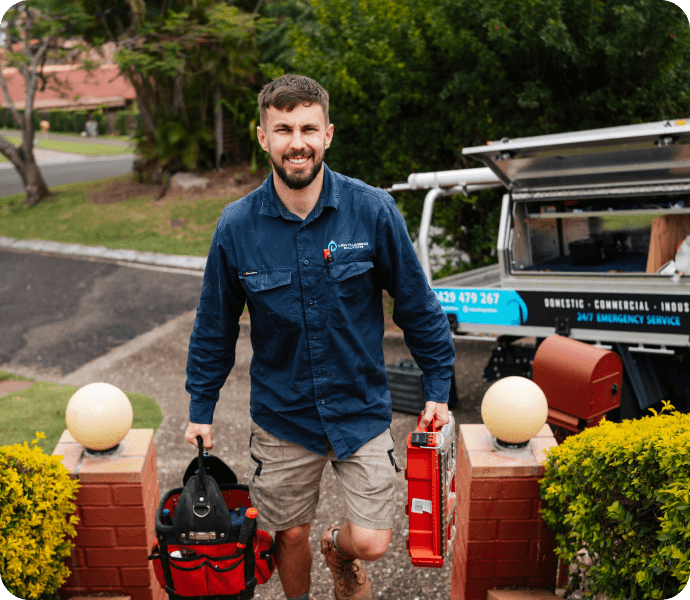
As a local plumbing business, L&W Plumbing helps Brisbane homeowners understand small plumbing issues before they become bigger problems.
A flexi-hose check is a good example of a small job that can make a meaningful difference to home maintenance.
A Small Check That Can Prevent a Bigger Problem
The clearest lesson from the Suncorp articles is that not all household risks are easy to see.
Some sit under the sink, behind a cupboard door or out of normal view.
A flexi-hose is small, but it connects to the water supply. If it fails, the damage can be serious, especially if the leak is not found quickly.
For homeowners, the practical lesson is simple.
Know where your visible flexi-hoses are. Check them at least twice a year. Look for rust, fraying, staining, twisting, kinks or dampness.
If something does not look right, have it checked before it becomes a bigger problem.
Sometimes the best plumbing protection starts with opening the cupboard under the sink.